overview of wildife management
A basic intro to our point of view
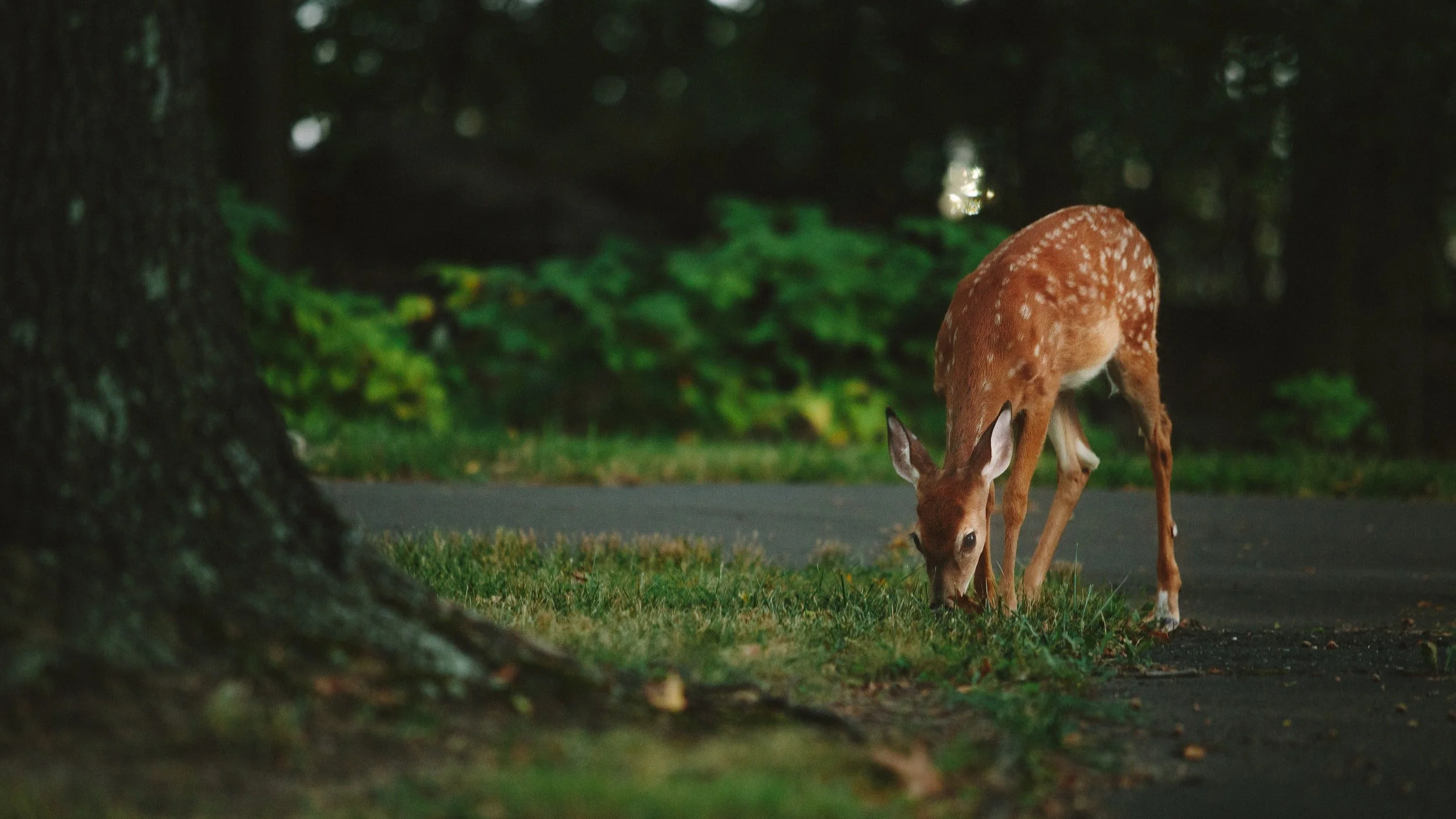
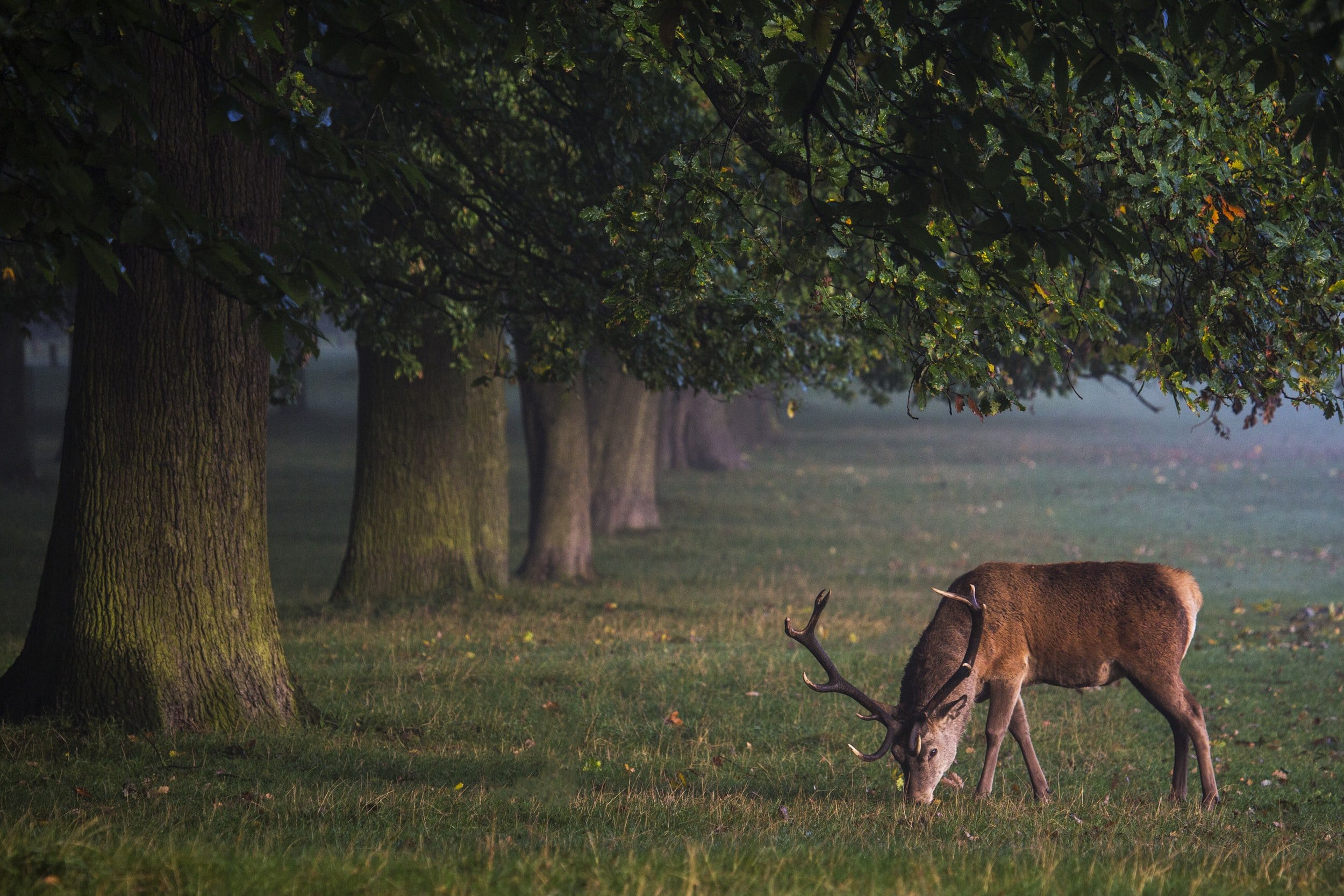
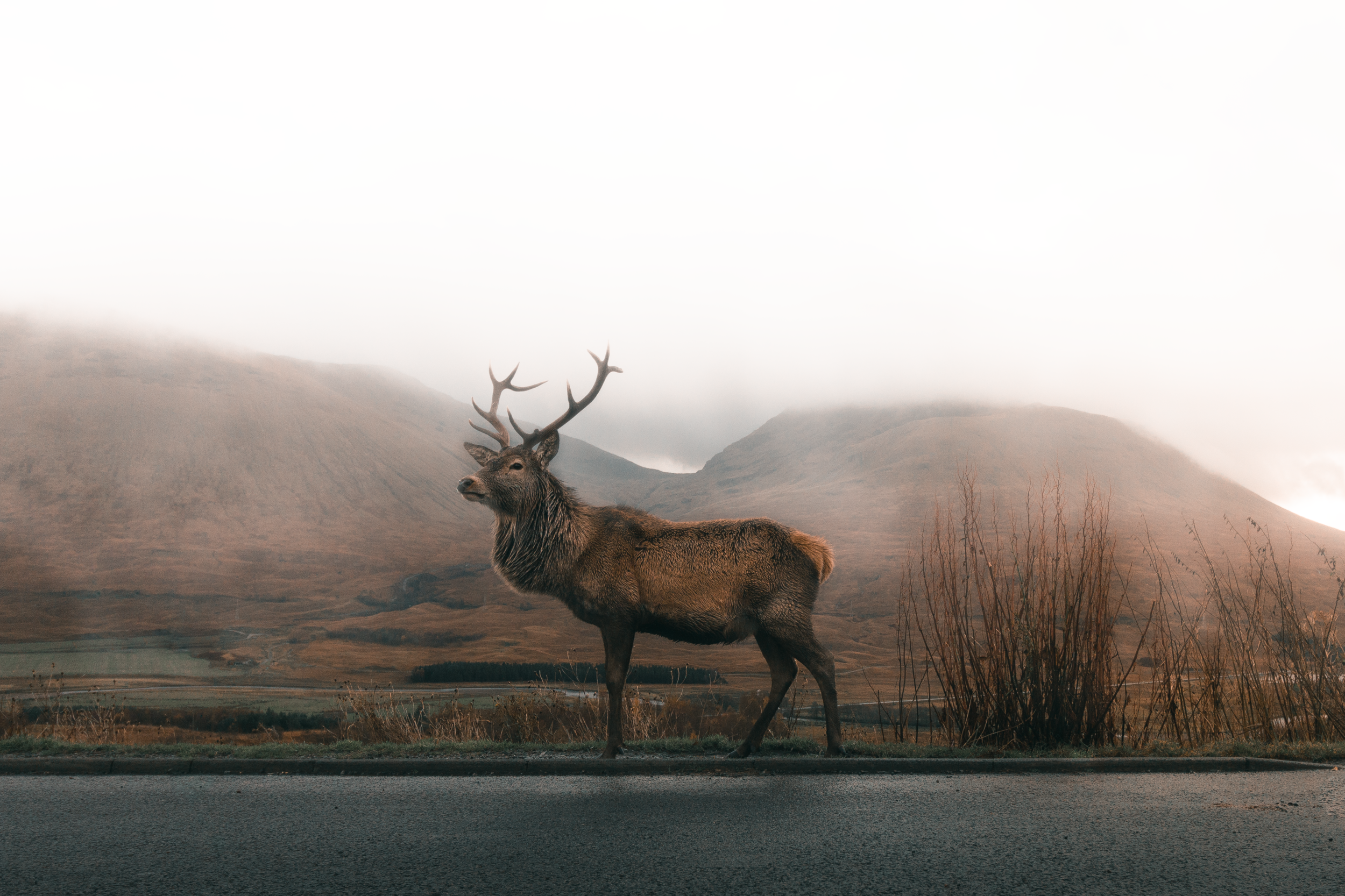
Deer stalking (or more commonly deer hunting outside the UK) is an exiting experience, with unique challenges.
We share the very same emotions, Goosebumps, respect and gratitude as our earliest hunter-gatherer ancestors had. We know exactly where our food comes from and there is just something primordial about the whole thing that is deeply embedded in our DNA.

Deer can be hunted in most of the world, methods vary, as do species, habitats and climates, but the UK has no true wilderness and no natural apex predators (where parts of Russia, Canada and the USA still do for example). As humans we have long since removed bears, wolves and lynx from our ecosystem in the UK and for good reason - our own safety and that of our livestock.
Furthermore we have now effectively removed most of our natural habitats.
We have cleared vast areas of forest for the sake of food production, housing, infrastructure and leisure activities. This process is still going on (with new build housing sites on greenbelts and HS2 for examples).

Because we have altered the “wilderness” we must assume the responsibility of managers, since the imbalances are our doing entirely.
In real terms, this means controlling numbers of species who thrive beyond natural numbers, and protect those that struggle. First of all, hunting is to limit the prolific species impact on other interests and wild species (such as foxes, corvids, pigeons, rabbits…)
The stuggling
We find in that category most ground nesting birds, butterflies, pollinators, crickets, lizards, red squirrels etc. We try to support and protect these as to avoid their inadvertent disappearance as we have with the likes of bustards and corn rakes etc