Why we need deer management
Crop protection and landscape

Damage caused by deer from cleaning velvet from newly formed antlers on trees, marking territories and eating the fresh shoots and bark can if severe enough, cause an adverse relationship between other species and land managers.
Deer also eat the very plants they require to hide theirs and other faunas young, which means they can be detrimental to not only themselves but to all forms of flora and fauna in the vicinity, if they are unmanaged, since they cannot self regulate breeding.
Browsing damage in rare and severe cases leads to localised starve outs of the deer and other herbivores, like hares, the predators who rely on those same herbivores would find themselves without prey also. This outcome is totally avoidable, through proper structured culling to ease the browsing pressure.
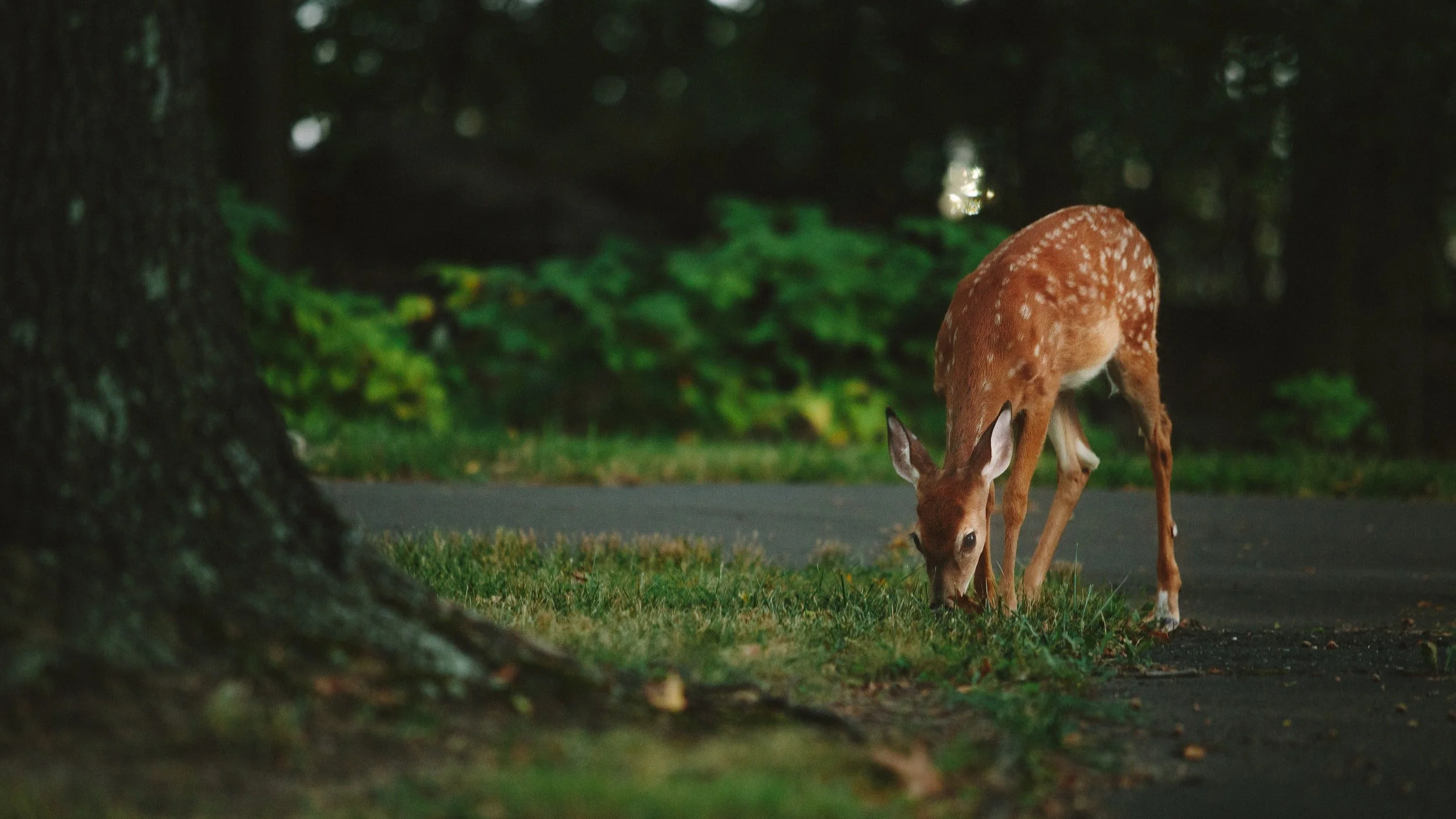
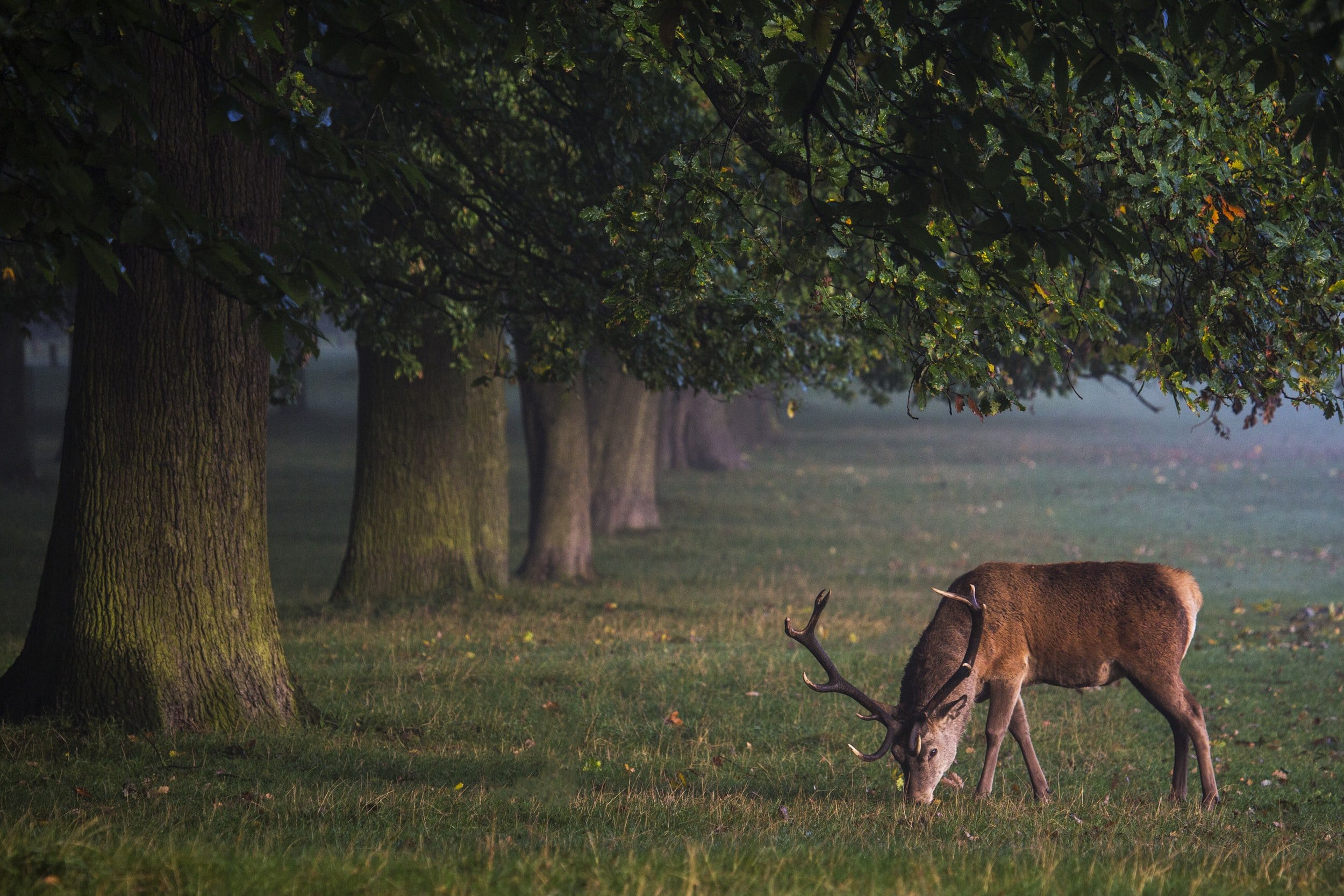
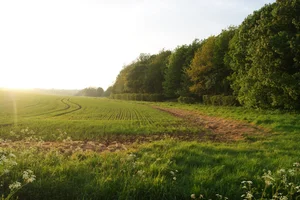
Herding deer like reds and Fallow can cause considerable crop damage in large numbers, where they lay to sleep, what they eat and where the roam around in the crops. This often causes conflict between farmers and the deer, resulting in indiscriminate culling. Although Roe, Muntjac and Chinese water deer are much more precise and delicate with their food choices than the larger species.
A sustainable management plan in place will aide both the deer and the farmer.

We can do a better job at humanly targeting deer that fit a predetermined cull criteria based on formal training, local observations, guidelines and experience. Where apex predators do not exist and deer shooting is not permitted, the deer die not from old age contrary to popular belief, but deer in these circumstances actually out live the chewing capability of their teeth. This basically means their teeth wear down and they begin to starve with a full belly, unable to digest efficiently their fibrous diets.
A well placed shot on the right individuals renders often instantaneous death and little suffering in comparison to abattoir transport and noises.

Flower beds are no stranger to deer frequentation, in a single night a deer can devour many flower heads and petals that have taken months to grow and may cost a great deal to replace, perhaps someones livelihood, or their pride and joy in their own home scoffed by hungry deer in just minutes. Allotments and vegetable patches can suffer the same reoccurring and irritating fate.
Disease and parasites
Deer are overall very clean animals but disease is something that should be bared in mind. Deer can be, but but very rarely carriers of diseases transmittable to livestock, as well as humans. Some include bovine tuberculosis, blue tongue, foot and mouth. But wild populations are extremely rare to find with any of these afflictions in the UK. Signs can appear in 0.2% to 0.5% of deer, the species and the area also have a part to play in this. There are very few confirmed cases each year in the UK.
Humans share susceptibility of rabies, anthrax etc. with deer. Although all these and more are extremely rare, and often never present in the the UK (thanks to widespread practical deer management), it should be considered anytime anti-shooting agendas promote unchecked deer breeding that there are far greater concerns than just the freedoms of the hunter at stake.
Parasite burdens, like ticks, worms, liver flukes, mites, keds, bot fly, nasal bot fly and more are all increased as the deer population density also increase. Some of these parasites cause little discomfort to the deer, while others such as nasal bot fly obstruct the deer’s nostrils and throat providing great and constant suffering.
Ticks carry Lyme’s disease as well as a whole host of possible co-infections, which can be fatal to humans, also debilitating and even lethal for some animals, due to the quantity of blood being sucked out of the host, especially in the Highlands where very heavy burdens can be found, although more often in hares and sheep than wild deer. But it is stated that deer produce naturally antibodies to Lyme’s disease, and the ticks who have fed on deer will be clear from passing on Lyme’s.


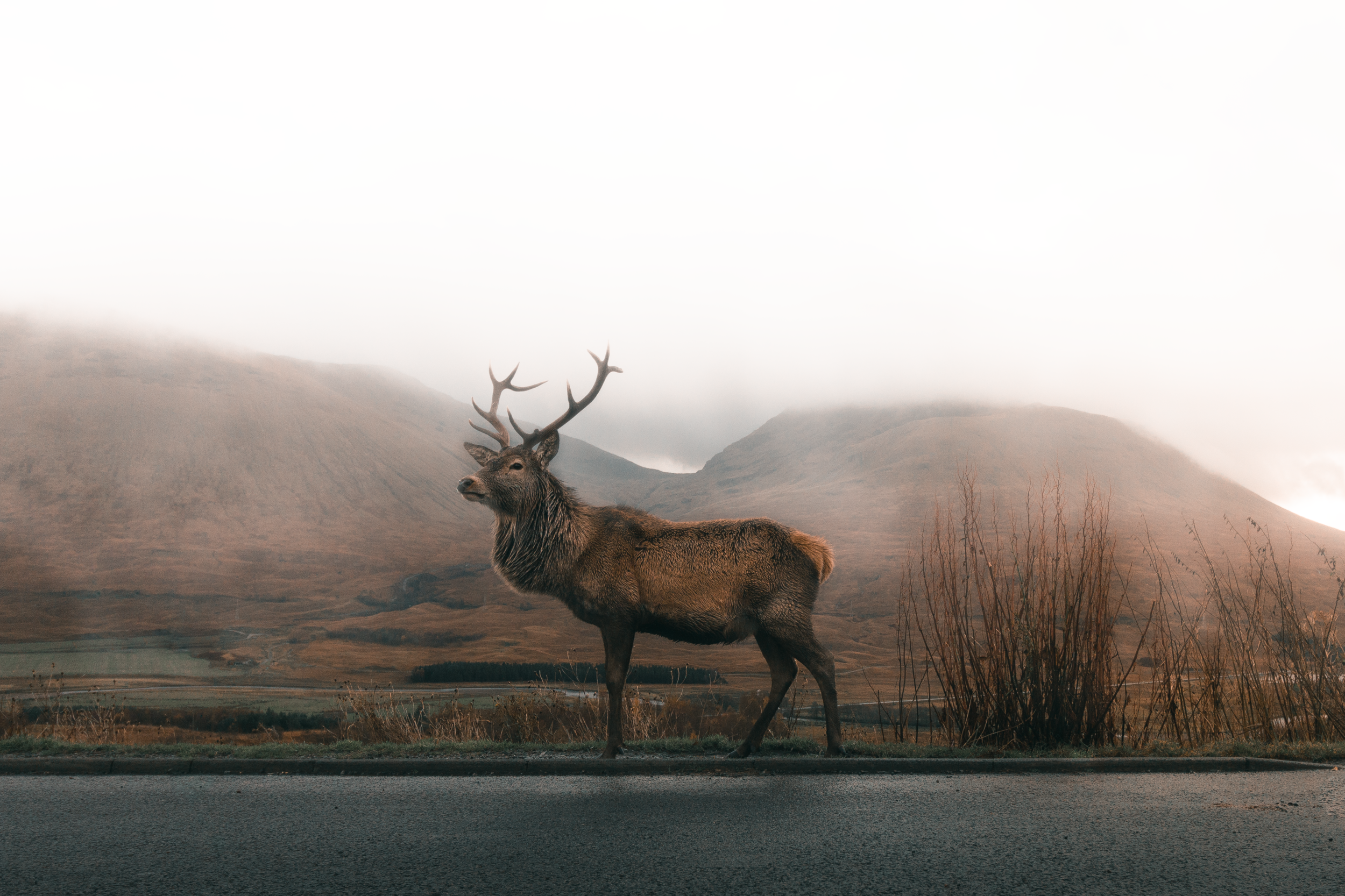
It is not only desirable to keep deer numbers at responsibly levels, but necessary. If we put up fences or deterrents to protect habitats, crops, gardens or other interests we are only shifting the burden elsewhere, which is not addressing the issues. There are an estimated 60,000 car incidents involving deer in England alone every year, not all resulting in human or deer death, but some do. This is partly to the increase of traffic on our roads but also deer populations increasing. Where they are not laid dead at the scene, deer may hobble surprising distances to die slowly if they cannot recover… Fences only encourages these unfortunate encounters, as deer are ushered along them, and sometimes stuck the wrong side of them.
Love them or loath them, Deer are here to stay. Avoiding issues that arise in association with deer via non-lethal methods, is not a long term solution. Their numbers are increasing. Instead of demonizing shooting folk in the UK, we should be promoting them, bringing new members into deer stalking, promoting more local venison, shooting more deer and praising those that keep a balance for all our wildlife on a daily basis. We should be educating the next generations on responsible countryside management, closing the disconnect in today’s society.